
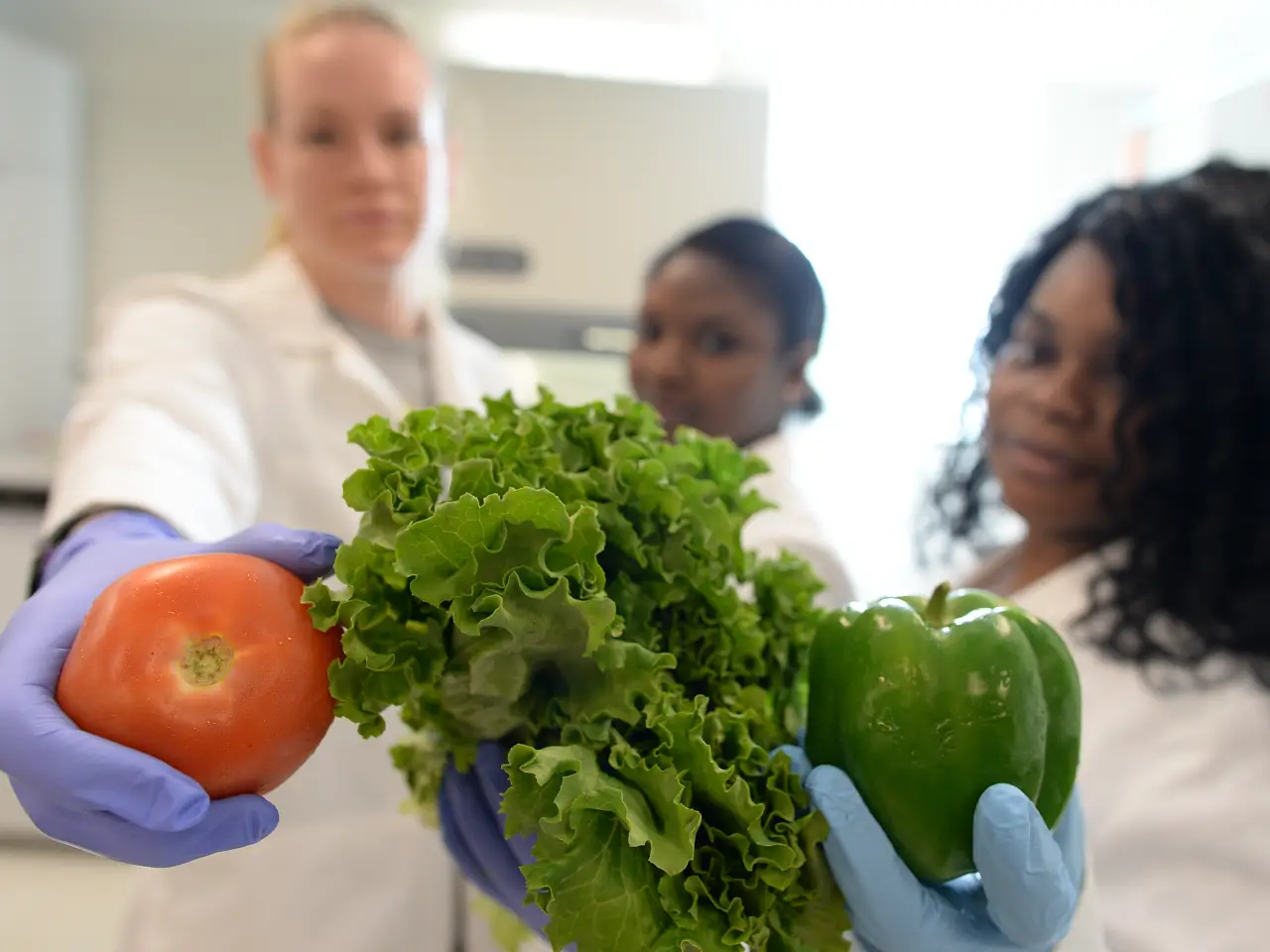
Life Lessons
Bring your love of life — and your fascination with God’s creation — into focus with biology, the scientific study of life. You gain both precision and adaptability as you study this mystery.
Those skills open many paths to you. Build a life of service in the health professions. Contribute to new discoveries in the life sciences. You can also create your own path, using your scientific background in a unique way.
You can further focus your biology degree by specializing in one of these areas:
- Cellular & Molecular Sciences
- Ecological Sciences
- Human Physiology
Living things grow and change; you are no exception. Belhaven creates a haven where you can grow positively while you prepare for your professional career.


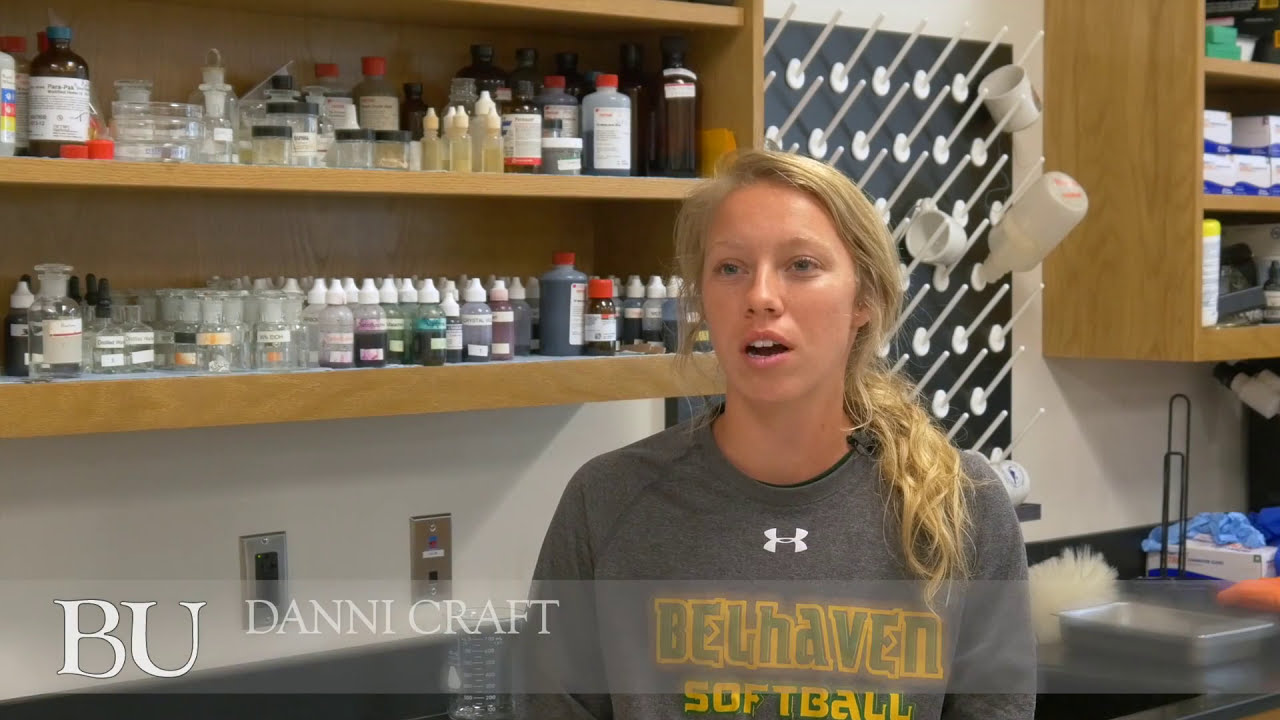
Why You’ll Love Biological Sciences at Belhaven
Affordability & Aid
Don’t let cost stand in the way of your educational goals. We’re committed to offering tuition rates that are affordable. Plus, you may benefit from ample financial aid resources, including grants and scholarships.
Research & Internships
Earn internships with hospitals or labs. These experiences build your resume and equip you with excellent skills. Plus, our students report they are prepared as well — or more so — compared to peers from major universities.
Caring Faculty
Our faculty members will be your mentors. As experts in their fields, they’re dedicated to helping you learn complex subjects. They know you by name, and they push you to succeed at the highest level.
Career Options
Our biology graduates are doing amazing things with their Belhaven education. They are doctors, pharmacists, physical therapists, medical sales representatives, teachers, and much more. You can go far with this versatile degree.
New Enhanced Facilities
Gives you the opportunity to use what’s in the field right now
Green Emphasis on Sustainability
Biology at Belhaven considers the ethical implications of its studies.
3 Concentrations
Choose a focus on in-demand fields
Health Related Programs
Including medicine, dentistry, nursing, physical therapy, occupational therapy, and pharmacy
What Can You Do with a Biology Degree?
- Educator
- Environmental and natural resource manager
- Health care practitioner: doctor, dentist, nurse, pharmacist, and physical and occupational therapist
- Medical device and pharmaceutical salesperson
- Public health and policy analyst
- Researcher
- Wildlife conservation specialist
Biology at Belhaven Teaches You How To...
- Explore anatomy and human biology, biodiversity and environmental biology, ecology, microbiology and parasitology, and molecular and cellular biology
What Are Belhaven Grads Doing Now?
- Graduate school
- Medical missions
- Pharmaceutical sales
- Physician, dentist, or nurse
- Private and public environmental quality or preservation job
- Research associate
- Teacher in higher education or high school level

Why Trust Belhaven With Your Future?
Our quality is recognized by SACSCOC, which grants our institutional accreditation and authority to award associate, bachelor’s, master’s, educational specialist, and doctoral-level degrees. Plus, we’re consistently recognized by organizations like U.S. News & World Report for our academic excellence, commitment to community service, expert faculty, and overall value.
Biological Sciences: What You'll Study
Bachelor of Science in Biological Sciences
- Freshmen: Bachelor of Science (B.S.) in Biological Sciences (pdf)
- Transfers: B.S. in Biological Sciences (pdf)
- Freshmen: B.S. in Biological Sciences — Cellular and Molecular Sciences Concentration (pdf)
- Transfers: B.S. in Biological Sciences — Cellular and Molecular Sciences Concentration (pdf)
- Freshmen: B.S. in Biological Sciences — Ecological Sciences Concentration (pdf)
- Transfers: B.S. in Biological Sciences — Ecological Sciences Concentration (pdf)
- Freshmen: B.S. in Biological Sciences — Human Physiology Concentration (pdf)
- Transfers: B.S. in Biological Sciences — Human Physiology Concentration (pdf)

Double Major & Get Your 5th Year Free
Fuel your academic passions and expand your career options. Belhaven offers our freshmen a unique deal: double major, and we’ll pay the tuition if you need a fifth year in school. Double major in two arts programs, pair a business degree with a STEM major … the possibilities are endless!
Opportunities for Biology Majors at Belhaven
University of Mississippi Medical Center
Student research internships are available for biology majors interested in gaining practical laboratory experience. Students have traditionally interned in the departments of Anatomy or Physiology; others have worked with graduate students in the Microbiology department.
Voice of Calvary Family Health Center
Student clinical internships are available for biology majors who are considering a career in healthcare. Interns work in a small, inner-city walk-in clinic.
Health Careers & Development Program
Biology majors of sophomore standing can apply to the University of Mississippi Medical Center's Health Careers and Development Program. The program consists of three phases:
- In Phase I, students shadow a variety of doctors, dentists, or other health care workers for a total of 30 hours; this provides an overview of different healthcare career specialties, and allows students to observe the daily inner workings of a hospital.
- Phase II enables students to shadow for an additional five hours in an area that interests them.
- Phase III includes CPR training.
The Biology Career Club brings speakers to meet with Biology majors and discuss career options and training programs. The club also does field trips to visit schools, training programs, museums and other activities of interest.
Club members also participate in fundraisers and service projects, such as breast cancer and poverty awareness, in line with the club's motto: Not to be served, but to serve.
Participate in undergraduate research and present your results at the Mississippi Academy of Sciences annual gathering! Your abstract will be published in the MAS journal, and you can compete against other students in the health sciences division.
Meet Our Faculty
Associate Professor of Biology
Robert Channell
Associate Professor of Biology
Professor of Biology
Johnathan Neiswinger
Professor of Biology
Assistant Professor of Biology
Mariana Sa
Assistant Professor of Biology
Professor of Biology, Chair of the Biology Department
Rob Waltzer
Professor of Biology, Chair of the Biology Department
Contact Us
Office of Admission
Phone: 601-968-5940Mailing Address:
1500 Peachtree Street, Box 153
Jackson, MS 39202
For campus visit:
Jimmy Hood Welcome Center
855 Riverside Drive
Jackson, MS 39202
Fax: 601-300-2932

Verse of the Year
Go and make disciples of all the nations ... And be sure of this: I am with you always, even to the end of the age.
Matthew 28:19-20